




Causes and Treatment of Hip Pain
Introduction
This article covers the causes and treatment of hip pain in detail. Hip pain is a common health problem that can be caused by many different conditions. The article aims to help readers make more informed decisions by addressing topics such as hip anatomy, classification of pain, diagnostic methods, treatment and rehabilitation.
Hip Anatomy and Function
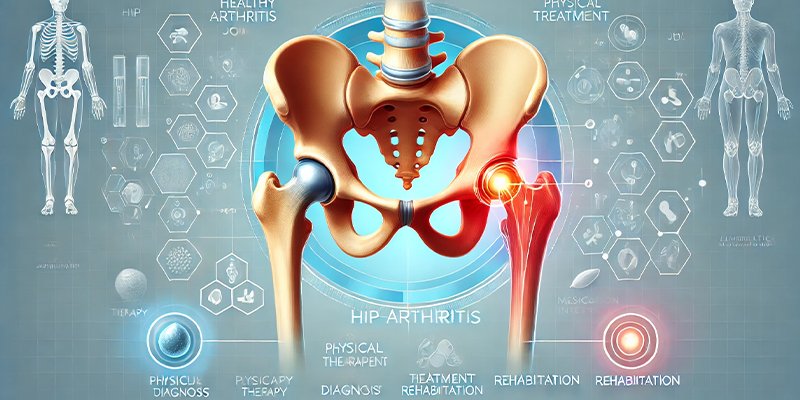
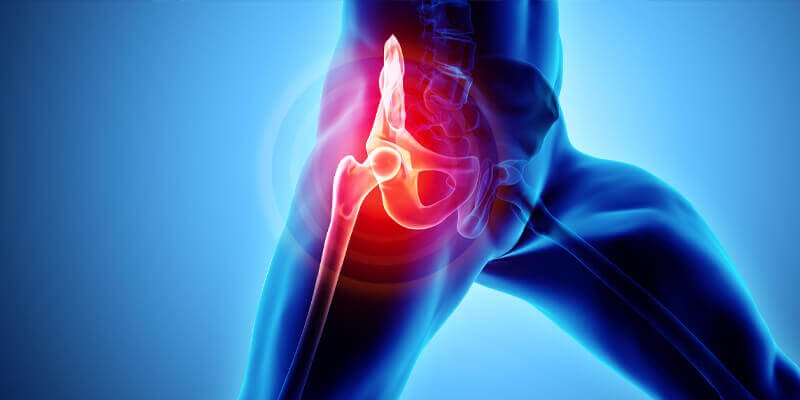
The hip joint forms the central supporting structure of the body and is critical for mobility. This joint, which is formed by the union of the femur and pelvic bone, supports body weight and provides movement in daily activities such as walking, running and sitting. Surrounded by muscles and connective tissues, the hip distributes body weight evenly by maintaining stability.
Definition and Classification of Hip Pain
Hip pain is a symptom that can originate from the hip joint or surrounding tissues. Pain is generally classified according to the following criteria:
- Duration: Acute or chronic
- Origin: Mechanical, inflammatory or traumatic
- Intensity: Mild, moderate or severe
This classification plays an important role in the diagnosis and treatment process.
Physiological and Pathological Conditions that Cause Hip Pain
Causes of hip pain include:
- Osteoarthritis
- Rheumatoid arthritis
- Bursitis
- Tendonitis
- Calcification
- Hip fractures
- Bone tumors
- Nerve compression
Obesity, excessive activity, poor posture, genetic predisposition, aging and trauma may also contribute to hip pain. Identifying and treating these conditions is critical for the management of hip pain.
Diagnostic Methods of Hip Pain
The methods used for the diagnosis of hip pain are as follows:
- Physical Examination:Examination of limited movement, tenderness and muscle weakness
- X-ray:Detection of damage to the bone structure
- Magnetic Resonance Imaging (MRI):Detailed examination of soft tissues
- Computed Tomography (CT):Obtaining more detailed images
- Blood Tests:Evaluation of infection and inflammation
Treatment and Rehabilitation of Hip Pain
Treatment of hip pain varies depending on the cause and severity of the pain. Treatment methods include:
- Rest: To relieve pain
- Physical Therapy: Strengthening hip muscles and increasing flexibility
- Exercise Programs: Restoring mobility
- Drug Therapy: Painkillers and anti-inflammatory drugs
- Injection Therapies: Controlling pain
- Surgical Intervention: When necessary for tumors, fractures or other serious conditions
Lifestyle changes, such as losing weight and exercising regularly, play an important role in the treatment process.
Preventive Measures and Lifestyle Changes
Measures that can be taken to prevent hip pain:
- Regular exercise
- Prefer low-impact activities
- Maintain a healthy weight
- Use a correct sitting position and supportive bedding
- Avoid smoking and excessive alcohol consumption
Conclusions and Recommendations
Treatment of hip pain requires a multidisciplinary approach. A combination of methods such as physiotherapy, exercise, medication and surgery provides effective results. Preventive measures such as lifestyle changes, weight control and regular exercise are also important in the treatment process. Patient-specific treatment plans should be created and regular follow-up should be provided.

After completing his high school education, Dr. Özgür Erdoğan successfully completed Istanbul University Faculty of Medicine and received his medical doctor title. He completed his higher specialization at Haydarpaşa Numune Training and Research Hospital Orthopedics and Traumatology Clinic. In March 2021, he received the title of Associate Professor of Orthopedics.